In any continuous manufacturing line, injection molds and stamping dies are the operational heartbeat of the plant. However, working under extreme pressure, harsh thermal cycles, and constant mechanical wear eventually takes its toll. When critical tooling fails unexpectedly, the cost isn’t just a broken component—it translates directly into unscheduled downtime, delayed deliveries, and severe supply chain bottlenecks.
For plant managers, manufacturing engineers, and procurement leads across the metalworking and plastics industries, the fundamental question remains: how can you maximize tooling ROI without compromising part precision?
The solution lies in balancing a disciplined preventive maintenance schedule with specialized repair and modification services when wear becomes inevitable.
1. The Hidden Cost of Undetected Tooling Wear
A common pitfall in tooling management is assuming a mold or die is in optimal shape as long as it continues producing parts. In reality, wear rarely occurs overnight; it accumulates incrementally.
Minor misalignment, micro-scratches in cavity surfaces, slight burrs, or spring fatigue quietly degrade component tolerances over time. Left unaddressed, this hidden wear results in:
- Increased Scrap Rates: Off-tolerance parts, sink marks, or excessive flash requiring costly manual rework.
- Inefficient Power Consumption: Misaligned tooling or excessive friction forces machinery (presses or molding machines) to operate under higher stress.
- Catastrophic Tooling Failure: An unaddressed surface crack can easily develop into a full cavity block fracture, multiplying restoration costs tenfold.
2. Preventive Maintenance: Your First Line of Defense
Implementing a structured maintenance protocol based on stroke counts or production cycles is the most effective way to extend equipment life. Below is a practical checklist for the shop floor:
Shop Floor Checklist for Injection Molds and Stamping Dies:
- Cleaning and Degreasing After Every Production Run: Remove polymer residue, carbonized lubricants, and metal chips using non-corrosive solvents.
- Visual Inspection of Molding and Cutting Surfaces: Inspect cavities, punches, matrices, and cutting edges early for nicks, chips, or scoring.
- Cooling and Lubrication Channel Checks: Ensure cooling lines are free of scale build-up and leaks that disrupt heat transfer or contaminate parts.
- Alignment and Guide Component Verification: Inspect and adjust bushings, guide pins, and wear plates to maintain concentric closing and eliminate play.
- Application of Protective Coatings: Treat mold and die faces with corrosion inhibitors before placing tooling into storage.
3. Repair & Modification vs. Building from Scratch
No matter how rigorous your preventive maintenance program is, continuous production will eventually wear down high-friction and high-impact areas. This is where specialized tooling repair and modification become essential.
Replacing an entire mold or die involves high capital expenditure and lead times ranging from 6 to 12 weeks. Conversely, a professionally executed restoration recovers 100% of tooling functionality at a fraction of the cost and time.
Key advanced tooling recovery processes include:
- Electrical Discharge Machining (Wire & Sinker EDM): Rebuilds deep cavities, intricate geometries, and tight-tolerance features with micron-level precision.
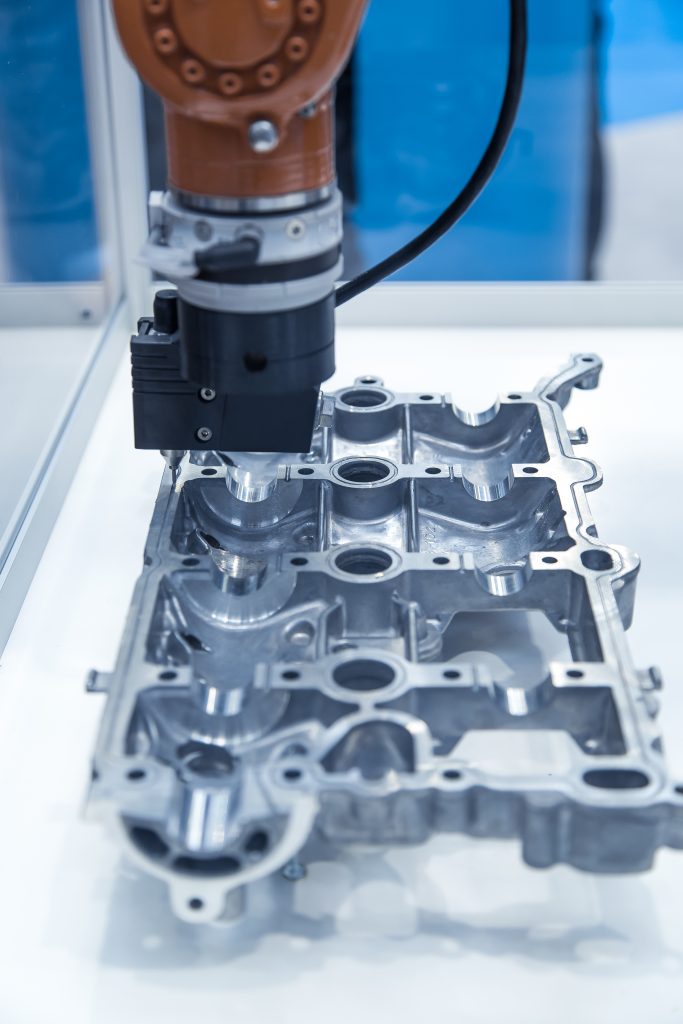
- High-Speed CNC Machining: Ideal for re-machining parting lines, modifying radii, or implementing design revisions requested by the end customer without rebuilding the tool.
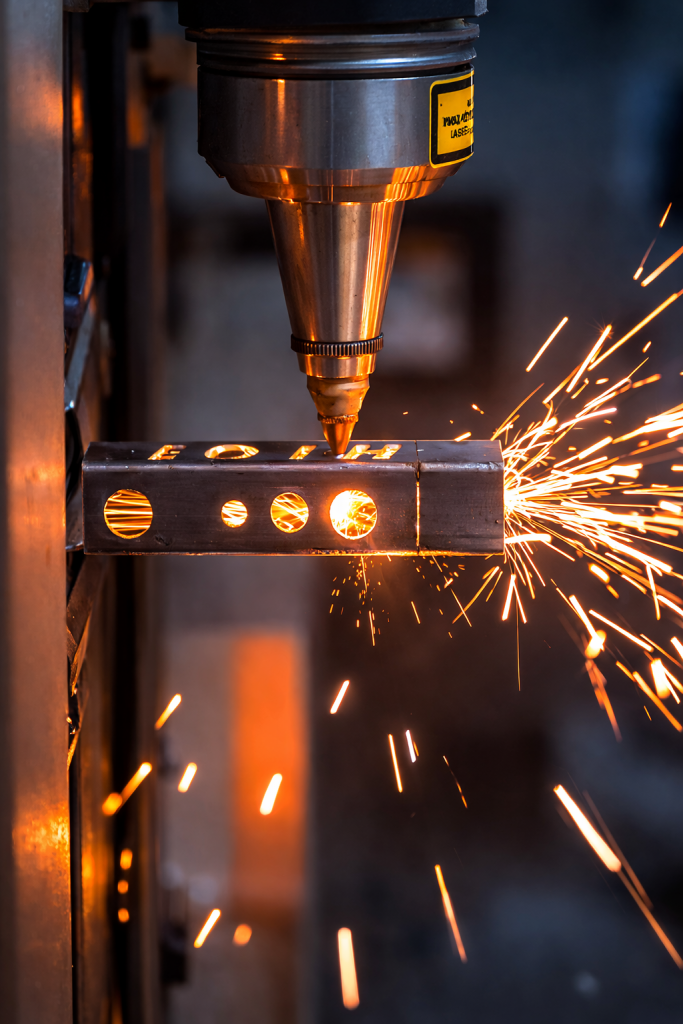
- Specialized Laser and TIG Welding: Precise filler material application to restore worn edges or repair cracks, followed by precision grinding and polishing to match original surface finishes.
4. Strategic Partners in Tooling Maintenance and Restoration
Partnering with a manufacturing facility that understands production urgency is vital to minimizing downtime during repairs.
At FIESCO Precision, we go beyond initial custom tooling manufacturing. We provide comprehensive mold and die repair and modification services, backed by our in-house precision CNC machining and specialized industrial welding capabilities.
Preventive maintenance and timely tooling repairs shouldn’t be viewed as operational expenses, but as direct investments in plant continuity and profitability. Regularly inspecting tooling, taking immediate action at the first sign of wear, and partnering with precision manufacturing specialists is the difference between an efficient production line and constant unplanned downtime.
Does your tooling require maintenance, modification, or urgent repair? Contact FIESCO today to evaluate the best solution for your production line.