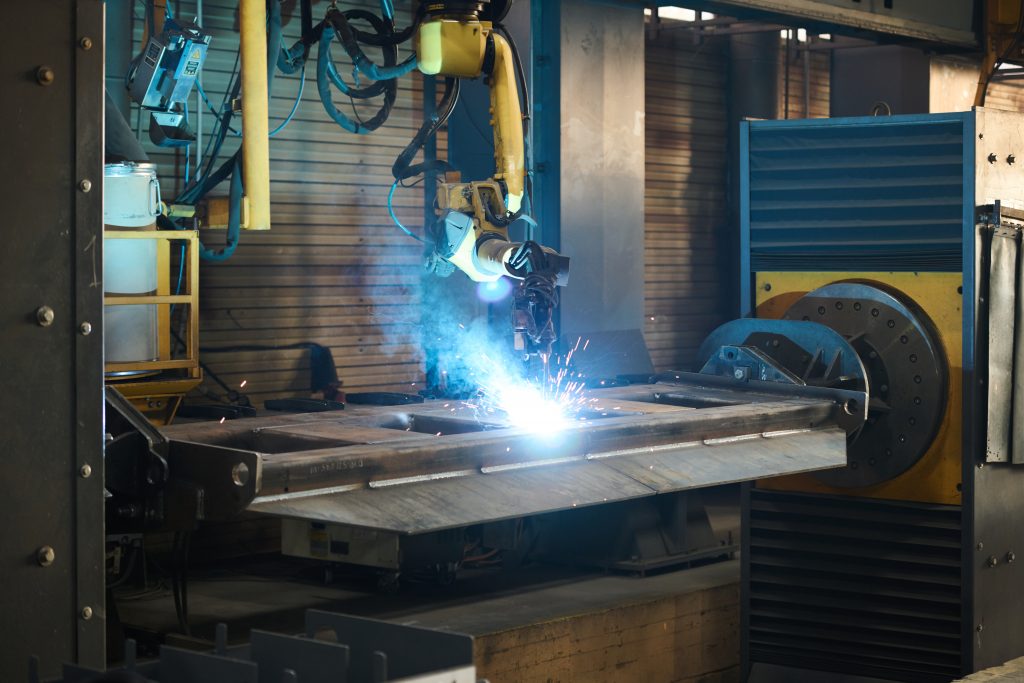
The landscape of modern manufacturing has been fundamentally altered by the integration of Computer Numerical Control technology. In the past, sheet metal fabrication relied heavily on manual layouts and mechanical presses that, while functional, lacked the repeatable accuracy required for today’s aerospace, medical, and high-tech electronic sectors. At FIESCO, we have witnessed how CNC integration moves beyond simple automation; it represents a shift toward a holistic digital manufacturing ecosystem where design intent and physical production are perfectly aligned.
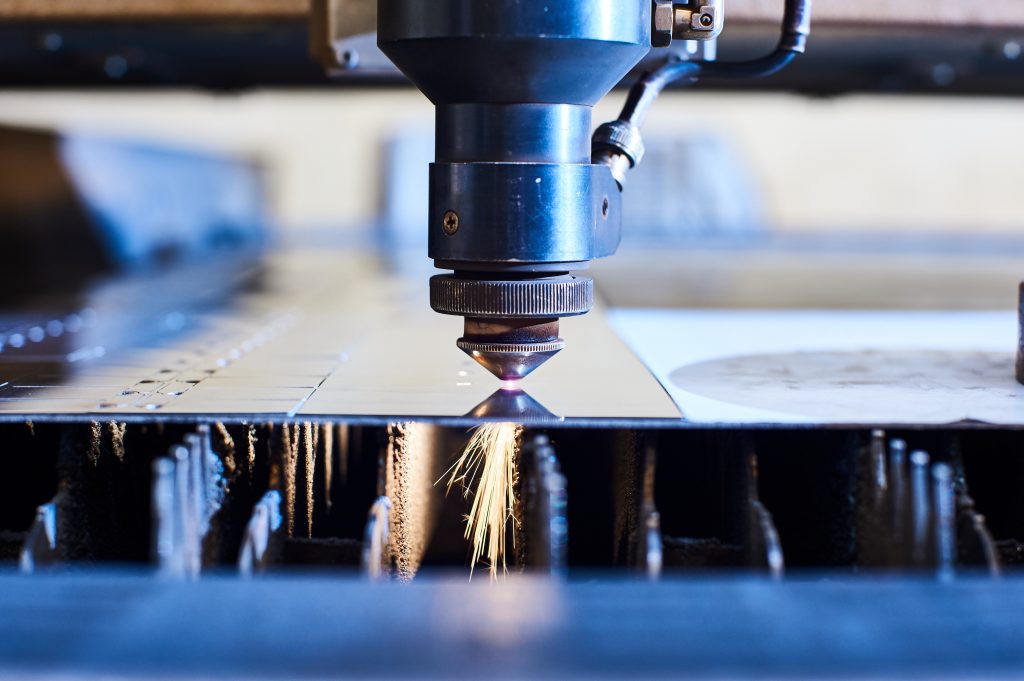
CNC technology allows for the execution of complex geometries that were previously considered cost-prohibitive or physically impossible. By utilizing software-driven commands to control cutting, punching, and bending tools, we eliminate the margin for human error. This level of control ensures that the first part produced is identical to the ten-thousandth. For U.S. partners looking for reliable supply chains, this technological baseline is essential for maintaining strict assembly tolerances and high-performance structural integrity.
Design for Manufacturing: Optimizing for CNC Bending and Forming
Designing for CNC sheet metal fabrication requires a strategic approach known as Design for Manufacturing (DFM). To achieve the best results, engineers must consider the physical limitations of the material and the specific mechanics of CNC press brakes. One of the most critical factors in this process is the bend radius. Attempting to force a radius that is too tight for the material thickness can lead to fracturing or significant thinning at the bend line.
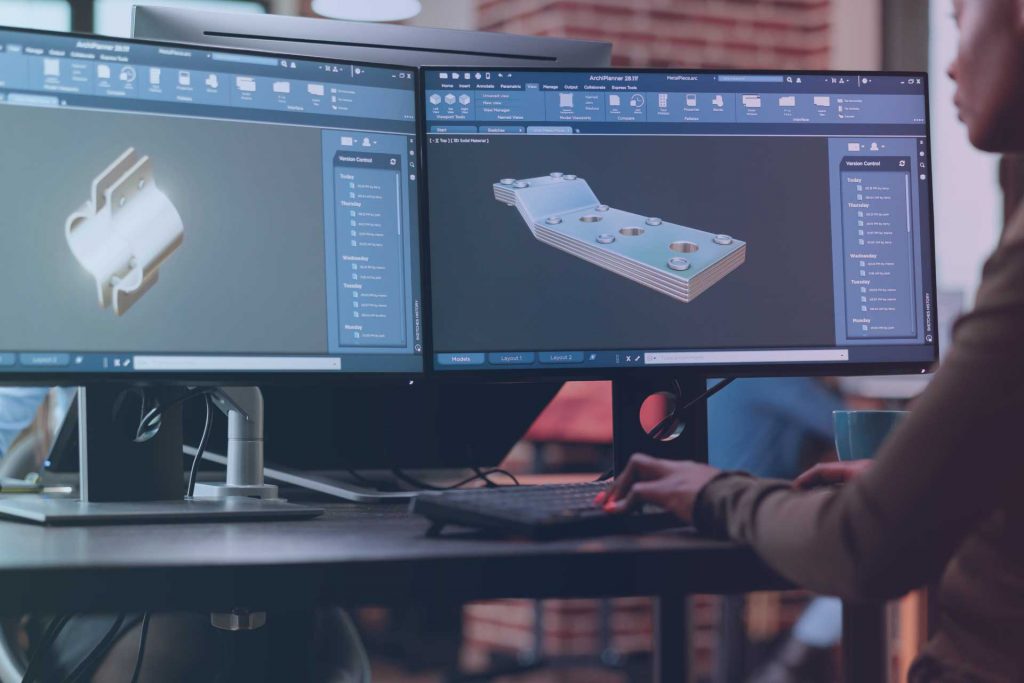
Another vital consideration is hole placement and flange dimensions. When a hole is placed too close to a bend, the material stretching during the forming process can distort the hole’s shape, rendering it useless for precision assembly. By optimizing designs to include proper relief notches and maintaining a minimum distance between features and bend lines, manufacturers can ensure that every part maintains its dimensional quality. At FIESCO, we work closely with clients to refine these technical details, ensuring that the transition from a CAD model to a physical component is seamless and efficient.
Material Behavior and Precision Tooling
The interaction between CNC-programmed tooling and the material itself is where true precision is realized. Different metals—such as aluminum, stainless steel, and galvanized carbon steel—react differently under pressure. This phenomenon, known as springback, occurs when a metal attempts to return to its original shape after being bent. Advanced CNC systems account for this by over-bending the material to a precise degree calculated by the machine’s internal algorithms.
This level of intelligence in the tooling process allows for the production of intricate enclosures and complex structural brackets that fit together perfectly without the need for manual adjustment or secondary rework. By integrating CNC-calibrated tooling into our daily operations, we provide our partners with components that are not only aesthetically superior but also functionally robust. This consistency is what allows for faster assembly times and lower overall project costs for industrial operations across the border.
Scaling from Prototype to High-Volume Production
One of the greatest advantages of CNC-driven fabrication is its inherent scalability. During the prototyping phase, CNC technology allows for rapid iterations. Engineers can test a design, identify necessary adjustments, and update the digital file for immediate production of a revised prototype. This agility is crucial in today’s fast-paced market where time-to-market can determine the success of a product.
Once the design is finalized, the same CNC programs are used to transition into full-scale production. Because the instructions are digital, there is no degradation in quality as the volume increases. This reliability is the cornerstone of FIESCO’s partnership with the U.S. industrial sector. Whether a project requires ten custom units or thousands of standardized parts, our CNC sheet metal systems deliver a level of accuracy that supports demanding industrial applications and high-end assembly lines.
The Strategic Advantage of Integrated CNC Solutions
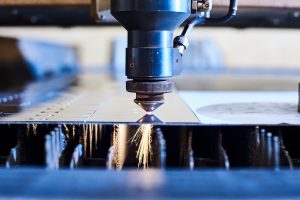
Choosing a partner that understands the intersection of advanced technology and material science is critical for any manufacturing project. The integration of CNC precision across every stage of fabrication—from the initial cut to the final bend—ensures that every component meets the most stringent quality standards. This technological edge, combined with the logistical benefits of our Baja California location, provides a unique advantage for companies seeking a high-performance manufacturing partner.
By focusing on precision engineering and optimized DFM practices, FIESCO helps clients reduce material waste, shorten production cycles, and enhance the overall durability of their products. As industrial requirements continue to evolve, our commitment to leveraging the latest in CNC sheet metal technology ensures that we remain at the forefront of the manufacturing industry, providing the reliability and excellence our partners expect.
For more information on our integrated manufacturing capabilities, please visit our Home page.