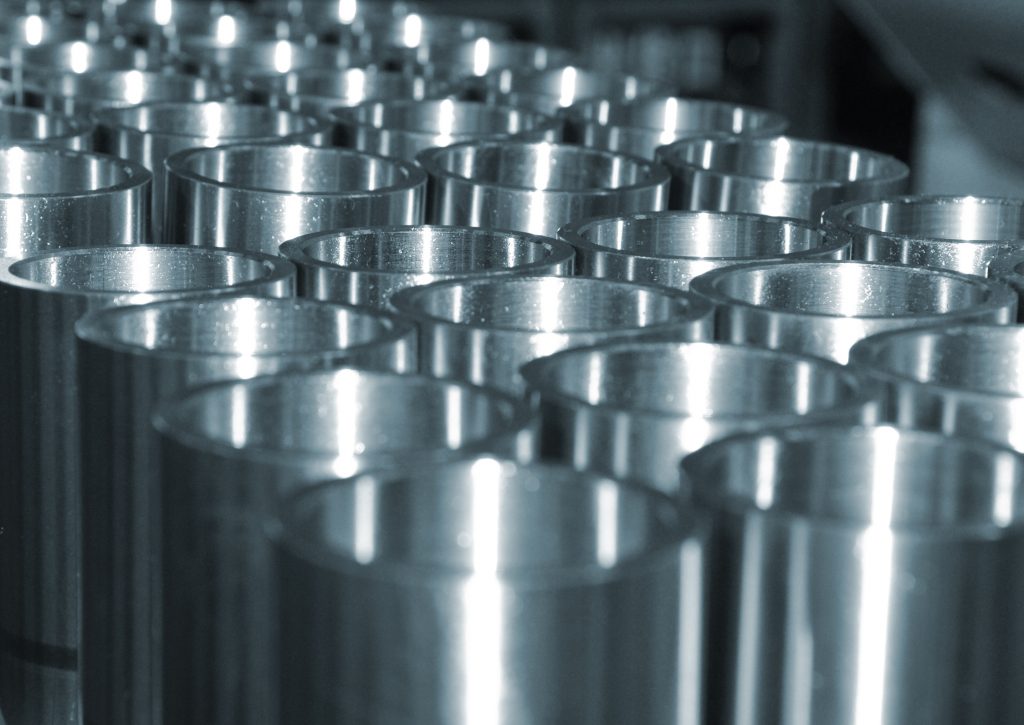
In California’s demanding industrial landscape—from the construction hubs of Los Angeles to the infrastructure projects in San Diego—the choice of material is the most critical decision in the manufacturing process. For heavy machinery and mechanical systems, it isn’t just about the cost of the raw metal; it’s about reliability, load capacity, and long-term performance.
When designing CNC machined components, the debate often settles on two titans: Steel and Aluminum. At FIESCO, we help California-based contractors and manufacturers navigate this choice to ensure their systems operate at peak efficiency.
Steel: The Standard for High-Stress Applications
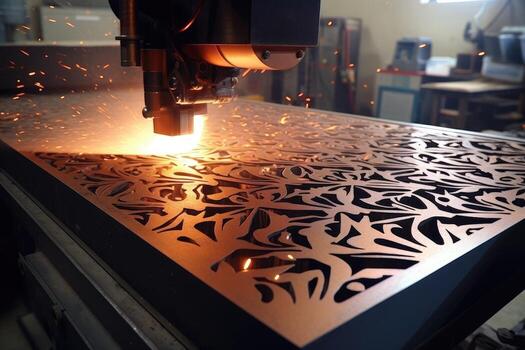
For components that face extreme loads, high torque, and abrasive environments, steel remains the undisputed leader. Its high density and structural integrity make it the go-to for parts that simply cannot afford to fail.
Critical Advantages of Steel:
- Superior Fatigue Strength: Essential for shafts, axles, and gears that undergo millions of cycles of stress.
- Heat Treatability: Steel allows for specialized processes like case hardening or quenching, which significantly increase surface durability without making the part brittle.
- Impact Resistance: Unlike lighter metals, steel can absorb significant shocks without permanent deformation, a vital trait for construction and mining equipment.
In our production facility serving the U.S. market, we utilize high-grade carbon and alloy steels to ensure that every structural bracket or frame meets rigorous safety standards.
Aluminum: The Modern Alternative for Efficiency
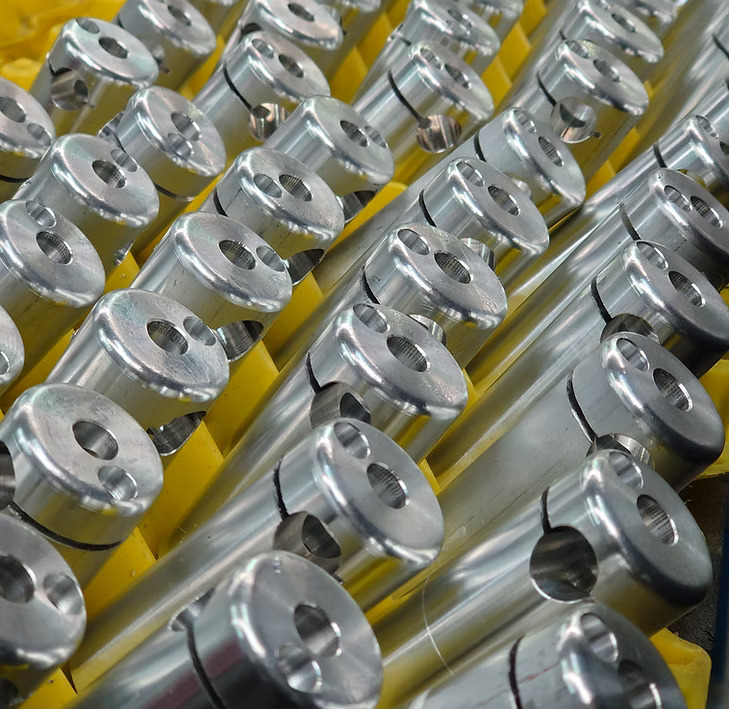
While steel is about “brute force,” aluminum is about optimization. In many modern mechanical systems, reducing weight is the key to increasing speed, reducing fuel consumption, and lowering wear on motors.
Why Choose Aluminum?
- Power-to-Weight Ratio: High-strength aluminum alloys (like the 7000 series) offer strengths comparable to some steels but at one-third the weight.
- Natural Corrosion Resistance: California’s coastal and humid environments can be brutal on machinery. Aluminum’s natural oxide layer provides a shield that steel lacks without expensive coatings.
- Thermal Conductivity: Aluminum dissipates heat much faster than steel, making it ideal for gear housings or components that operate at high RPMs.
Material Performance Comparison
| Feature | Carbon/Alloy Steel | 6000/7000 Series Aluminum |
| Tensile Strength | Exceptional | High to Moderate |
| Weight | Heavy | Lightweight |
| Machinability | Moderate (slower) | Excellent (faster) |
| Corrosion Resistance | Low (needs treatment) | High (natural) |
Which Material Maximizes Lifespan?
The answer depends on the “Enemy” of your machine. If the enemy is heavy loads and friction, Steel will provide a longer life. If the enemy is weight-induced wear and corrosion, Aluminum is your best investment.
At FIESCO, we don’t just machine parts; we provide engineering-driven manufacturing. We work closely with California engineers to select the exact alloy that balances durability with cost-effectiveness.
Looking for a CNC Partner in California?
Stop guessing on materials and start optimizing. FIESCO delivers precision-machined components designed to withstand the toughest American industrial environments.
REQUEST YOUR CUSTOM QUOTE FOR CALIFORNIA PROJECTS HERE